
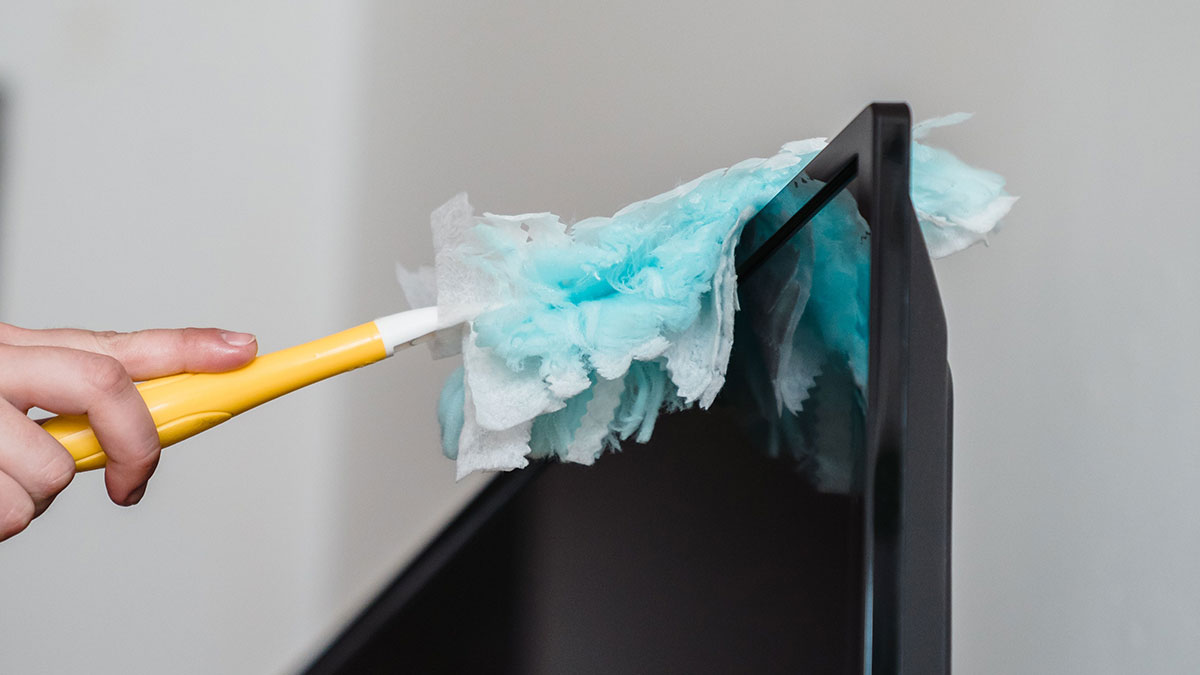
Why is my house so dusty when you swear you just cleaned, the windows are shut, and the whole place still feels like it’s wearing a light sweater of lint?
We hear this a lot at Tru Filtered Air, and we don’t take it as a verdict on your cleaning skills. Most of the time, a dusty house is what happens when your home’s “inputs” beat your “cleanup.” Dust keeps getting made, dragged in, or circulated faster than you can wipe it away.
The upside is you usually don’t need a total lifestyle overhaul. You need a few small system tweaks, and one habit that runs without you having to remember it.
What dust actually is (and why it comes back)
Dust is not one thing. It’s a mash-up of whatever life sheds: fabric fibers, bits of outdoor soil, skin flakes, pet dander, pollen, and all the tiny crumbs of day-to-day living.
That matters because some dust is produced inside your home constantly, and some of it sneaks in from outside. So you can wipe the coffee table spotless at 9 a.m. and still see a film by the next afternoon. The goal is not just to clean what settled, but to keep less of it floating around in the first place. That’s the basic idea behind COIT’s dust-reduction tips, which focus on both removal and prevention.
Why is my house so dusty? 8 common causes (and fixes you’ll actually stick with)
If you’re Googling why is my house so dusty, you’re probably dealing with a combo platter, not a single villain. Here are the usual suspects, plus the practical fix for each.
1) Your HVAC filter is overdue or too flimsy to matter
Your HVAC (heating, ventilation and air conditioning) system moves air through a lot of your home. That makes the filter one of the only tools you own that can catch dust across multiple rooms, all day long, without you doing anything.
If the filter is clogged, cheap, or past its change date, it can’t keep up. The system keeps circulating what’s already in the air, and new particles keep joining the party.
Fix: Use a quality pleated filter and replace it on a consistent replacement schedule. If you want an easy rule of thumb (and the reasons it changes), use our guide on how often to change your air filter.
2) Your ducts might be leaking dust from places you never clean
Ductwork runs through the parts of the house that do not get vacuumed, like attics, crawlspaces, and wall cavities. If there are gaps or disconnected sections, your system can pull dusty air from those spaces and deliver it right into your living room.
This is one reason dust can feel endless even when you are staying on top of filter changes. Duct leakage is a big, sneaky contributor in Aeroseal’s explanation of why homes get dusty.
Fix: If you suspect leaks, consider a duct inspection and professional sealing. It is not a weekly habit. It is more like a “get it handled and enjoy the payoff” kind of project.
3) Carpet and rugs store dust, then re-release it every time you walk
Rugs and carpet are basically dust banks. They hold particles deep in the fibers, then your everyday movement kicks some of it back into the air. Kids running laps. A dog doing the post-bath shake. You sitting down, standing up, living life. It adds up.
Fix: Vacuum at least weekly, and if you have carpet, use a vacuum with a sealed HEPA system so fine particles are less likely to blow back into the room.
4) Pets add “invisible dust” all day long
Pet hair gets all the attention because you can see it. But pet dander is the part that mixes into dust and ends up on shelves, vents, and every black shirt you own.
Fix: Brush pets regularly, wash pet bedding weekly, and shorten your filter change cadence if you have a shedder. If your home could go 90 days without pets, you may find 60 days feels better with a dog or cat in the mix.
5) Small gaps around doors and windows are basically “dust shortcuts”
Your house can look sealed up and still leak at the edges. Tiny gaps around doors, window frames, attic hatches, and utility penetrations let outdoor dust and pollen drift inside.
Fix: Weatherstrip doors, re-caulk obvious cracks, and replace worn window seals. This helps with comfort too, not just dust.
6) Dry indoor air can keep dust floating longer
When your air is very dry, particles tend to stay suspended longer instead of settling quickly. So you see more dust on surfaces and you keep stirring the same particles back up.
Fix: If you routinely sit under about 30% humidity indoors, a room humidifier or whole-home humidifier can help. Aim for a moderate range. Around 40 to 50% relative humidity is commonly recommended, and the Environmental Protection Agency notes that keeping indoor humidity between 30 and 50% can help with comfort and moisture control. For more practical tips, check out Real Simple’s guide to why your home is dusty.
7) Clutter and soft furnishings give dust a place to land and hang out
Open shelving, stacks of books, baskets, heavy drapes, upholstered headboards, throw pillows, the “cute blanket ladder” you never touch. None of this is bad. It just increases the number of dust landing zones, and fabrics hold onto particles like it is their job.
Fix: Do a quick edit of what stays out in the open, choose washable curtains and throws when you can, and keep a simple rotation: wash, vacuum, wipe.
8) You’re cleaning in an order that re-dusts the room
This is the frustrating one because it makes you feel like cleaning “doesn’t work.” If you vacuum first, then dust higher surfaces, all that loosened dust settles right back down. Sometimes within minutes.
Fix: Go top-to-bottom: ceiling fans and vents first, then shelves and frames, then furniture, then floors last. Use microfiber cloths so you trap dust instead of flicking it into the air.
How to reduce dust in house without making it your new hobby
You do not need a complicated routine. You need a repeatable one. Here’s a simple plan that works in most homes, even busy ones.
- Stop dust at the edges: weatherstrip and caulk the obvious gaps, and deal with major duct leaks if they exist.
- Handle the “re-release” zones: vacuum carpets and rugs consistently, and wash the soft stuff that holds dust.
- Cut down the biggest indoor sources: pet grooming, bedding washes, and entry mats that actually get shaken out or cleaned.
- Capture what stays airborne: a quality pleated HVAC filter, changed on schedule, so your system is working with you, not against you.
If you only pick one habit to get right, make it the last one. It is the only dust-control step that can quietly help the whole home, every day, without adding another task to your calendar.
Best air filter for dust: what to look for
If you want the best air filter for dust, you are really looking for three things: strong capture, reasonable airflow, and a filter that actually gets replaced on time.
MERV (Minimum Efficiency Reporting Value) is the rating system that tells you how well a filter captures different particle sizes. Higher MERV often captures finer particles, but it can also restrict airflow in some HVAC systems. The “best” rating is the one that fits your system and your life.
For many homes, a pleated MERV 11 filter is a practical sweet spot. It captures a lot more of the dust and dander you care about than basic filters, while still keeping airflow in a comfortable range for many systems.
If you want the deeper explanation without the industry word salad, we wrote it out in how air conditioning and heating filters are rated.
Why is my house so dusty even after filter changes? The missing piece is timing
Even the right filter cannot help much if it is sitting in your return vent six months past when it should have been replaced. That is not a personal failing. It is just how life works. You forget, you get busy, or you do not feel like doing the hardware store guessing game again.
This is exactly why we built Tru Filtered Air. We make one carbon-backed MERV 11 filter in a wide range of standard sizes, including less common sizes many stores do not keep in stock. We ship it free on a recurring delivery schedule timed to your replacement cycle.
The filter shows up at your door. That arrival is the reminder. Nothing to remember, nothing to forget.
If you want to get your size and schedule set up, visit our air filter shop.
FAQ: dusty house questions you ask us all the time
Why is my house so dusty even with the windows closed?
Closed windows help, but dust is still created indoors from fabrics, skin flakes, and pet dander. Plus, outdoor dust can still come in through small gaps around doors, windows, and attic access points. If your HVAC filter is overdue, the system can also keep circulating what is already in the air.
How to reduce dust in house fast without deep cleaning?
Do one top-to-bottom reset (high surfaces first, floors last), vacuum rugs and carpet with a sealed HEPA vacuum, and make sure your HVAC filter is a quality pleated filter that is not past its replacement window. The “fast” part comes from stopping recirculation.
What is the best air filter for dust for most homes?
Many households do well with a pleated MERV 11 filter because it captures more fine dust and dander than lower ratings while keeping airflow reasonable in many systems. Higher MERV is not automatically better if it restricts airflow in your HVAC setup.
How often should I change my air filter if my house is dusty?
A common baseline for 1-inch pleated filters is every 60 to 90 days. Homes with pets, dusty climates, wildfire smoke, or renovation projects often need a shorter change cadence. Our schedule guide walks you through the variables.
Why does dust come back one day after cleaning?
Usually it is a mix of airborne particles settling plus dust being re-released from carpet, rugs, and soft furnishings. Cleaning order can make it worse too. If you dust after you vacuum, you are basically snowing dust back onto your clean floors.
Conclusion: less dust starts with the air your home moves every day
A dusty home is rarely about effort. It is about whether dust is being continuously generated, pulled in, and circulated faster than you can remove it.
Start with the biggest lever you already have: your HVAC filter. Pair consistent filtration with a few small home tweaks, and the whole place can feel easier to keep up with. When you want the habit to run on autopilot, Tru Filtered Air makes it simple with premium carbon-backed MERV 11 air filters delivered automatically to your door, exactly when it’s time to replace them.